
Ever seen a student get a disappointing grade and crumble, while another sees it as a challenge to conquer? That difference often comes down to one crucial skill: resilience.
Student resilience is the ability to adapt, recover, and even thrive when faced with challenges, stress, or setbacks—whether in academics, friendships, or personal life. It's not about being immune to difficulty; it’s about having the tools to navigate it. Think of it less like a tough outer shell and more like a flexible muscle that gets stronger with use. It's a dynamic process, shaped by a student's mindset, their relationships, and the environment around them. 🧠💪
What Are the Building Blocks of Resilience?
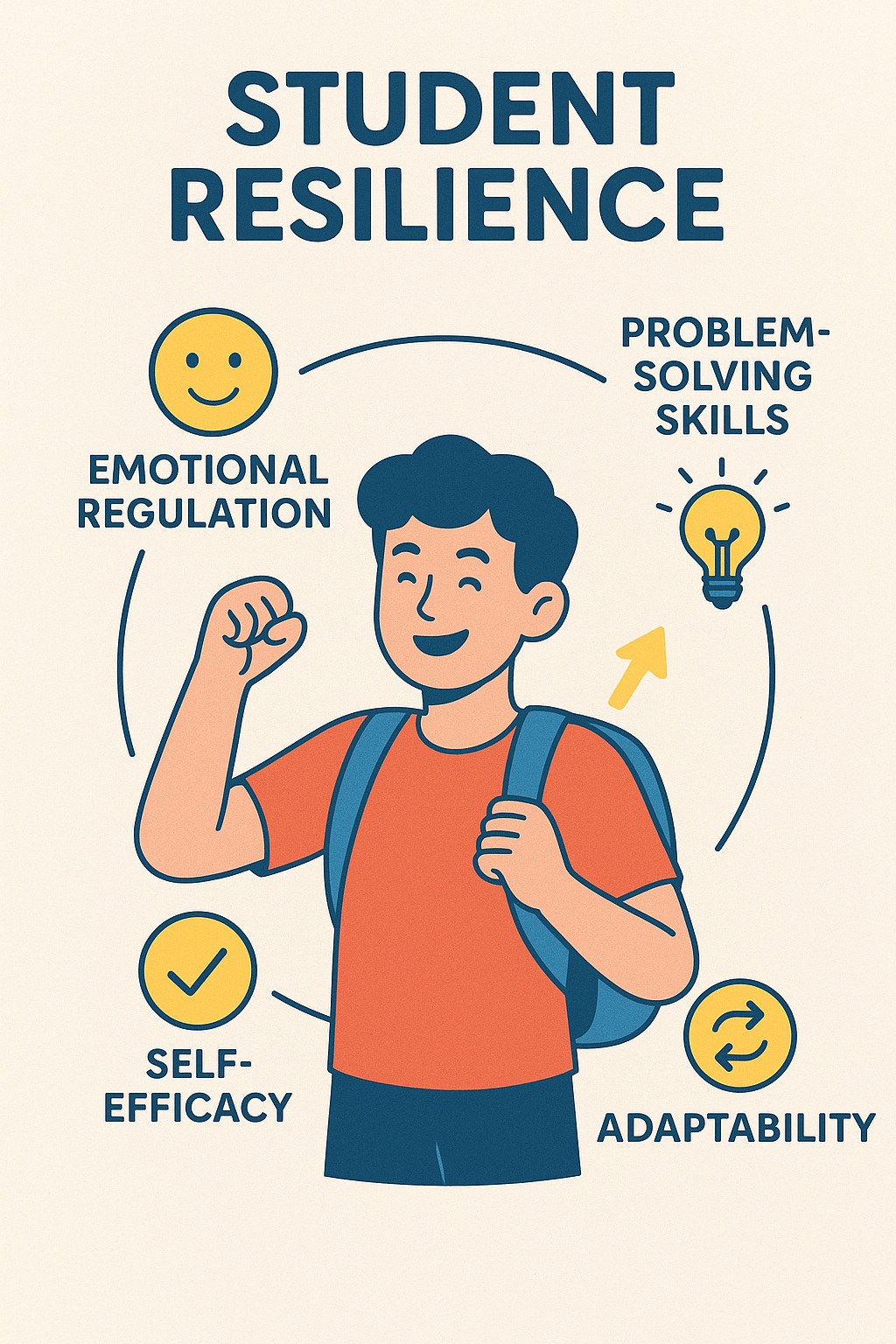
Resilience isn't a single trait but a combination of several key components that work together. Resilient students are skilled at:
- Emotional Regulation: They can effectively manage tough emotions like frustration, anxiety, and disappointment without letting them take over.
- Problem-Solving: Instead of giving up, they approach challenges with strategies and a can-do attitude.
- Self-Efficacy: They hold a core belief in their own ability to succeed and overcome obstacles. This inner confidence is a powerful motivator.
- Adaptability: They are flexible and can adjust to new situations, whether it's a new school, a difficult project, or unexpected changes.
- Strong Support Networks: They build and lean on positive relationships with family, peers, and teachers who provide encouragement, guidance, and a sense of belonging.
Research in education confirms that resilience isn't something you're born with—it's a skill that can be taught and developed. Supportive environments and positive relationships are critical protective factors that help students build this essential skill.
Why Is Resilience a Game-Changer for Students?
Fostering resilience is one of the most important things we can do for students, as it directly impacts their success and well-being.
- Boosts Academic Performance: Resilient students are more likely to persist through difficult subjects, learn from their mistakes on exams, and stay motivated.
- Enhances Mental Health: It acts as a buffer against anxiety, depression, and burnout by equipping students with healthy coping mechanisms.
- Promotes Social Growth: It helps develop empathy, teamwork, and better communication skills, which are vital for healthy social development.
- Encourages Lifelong Learning: By learning to overcome challenges, students build a foundation for tackling new problems and acquiring new skills long after they've left the classroom.
The Homework Dilemma: Resilience Builder or Breaker?
Homework can be a powerful tool for building resilience, but it can also undermine it if not handled carefully. It's a double-edged sword.
How Homework Can Build Resilience ✅
When homework is purposeful, manageable, and balanced, it can foster key skills like responsibility, time management, and persistence. Differentiated assignments that offer choice and an appropriate level of difficulty can boost engagement and help students experience a sense of accomplishment, reinforcing their self-efficacy.
How Homework Can Break Resilience ❌
On the flip side, excessive or overly difficult homework can lead to cognitive overload, stress, and mental fatigue. When the demands consistently exceed a student's ability to cope, it can trigger anxiety and reduce well-being, chipping away at their motivation and resilience.
The key is balance and support. Constructive feedback and guidance from teachers and parents help students manage their workload effectively, turning homework into a resilience-building exercise rather than a source of stress.
How to Actively Build Student Resilience
Here are practical, effective strategies that educators and parents can use to foster resilience.
Foster a Growth Mindset
Encourage students to view challenges as opportunities to grow, not as threats to their ability. Normalize setbacks as a natural part of the learning process. Phrases like "Mistakes are proof that you are trying" can make a huge difference.
Teach Practical Coping Strategies
Equip students with a "resilience toolbox." This can include:
- Stress Management Techniques: Simple breathing exercises or mindfulness practices.
- Time Management Skills: Breaking large tasks into smaller, achievable steps.
- Reflection: Journaling or self-assessment to help students recognize their progress and learn from their experiences.
Design Smarter, Purposeful Assignments
Focus on quality over quantity. Homework should have a clear purpose and be tailored to students' needs. This helps them stay engaged and build confidence as they successfully complete meaningful tasks.
Promote Supportive Relationships
Create a strong safety net. Mentorship programs, peer collaboration, and active family engagement show students that they aren't alone. Having someone to turn to for advice and encouragement is a cornerstone of resilience.